
Understanding Participatory Financing for Renewable Energy in Argentina
An educational resource exploring how collective financing models work for solar and wind energy projects in Argentine communities. Learn about regulatory frameworks, terminology, and the intersection of environmental sustainability with citizen participation.
What We Cover
Educational Resources on Community Energy Financing
This platform provides clear information about how participatory financing works for renewable energy projects in Argentina, from basic concepts to regulatory details.
Collective Financing Schemes
Understand how communities pool resources to fund solar and wind energy installations. Learn about different models including cooperative structures, crowdfunding approaches, and community investment vehicles.
Provincial Regulatory Frameworks
Documentation of how different Argentine provinces regulate community energy projects. Each region has specific requirements for participatory financing and distributed generation.
Clean Energy Certificates
Guides to understanding renewable energy certificates, their role in financing projects, and how they function within Argentina's energy market structure.
Community vs Corporate Models
Comparative analysis of community-led renewable energy projects versus corporate-developed installations, examining ownership structures, decision-making processes, and benefit distribution.
Environmental Sustainability
Educational content on how renewable energy projects contribute to environmental goals and how participatory financing aligns with sustainability principles.
Citizen Participation
Information about how community members can engage in Argentina's energy transition through participatory financing mechanisms and collective ownership models.
How Participatory Financing Works
Participatory financing for renewable energy allows communities to collectively fund and benefit from solar and wind installations. This approach differs from traditional energy development by distributing ownership and decision-making among participants.
- Community members contribute capital through various investment structures
- Projects are developed with input from participants rather than external developers alone
- Energy generated can be distributed among contributors or sold to the grid
- Financial returns or energy savings flow back to community investors
- Governance structures allow participants to influence project decisions
These models create opportunities for communities to participate directly in Argentina's renewable energy transition while potentially receiving economic benefits from clean energy generation.
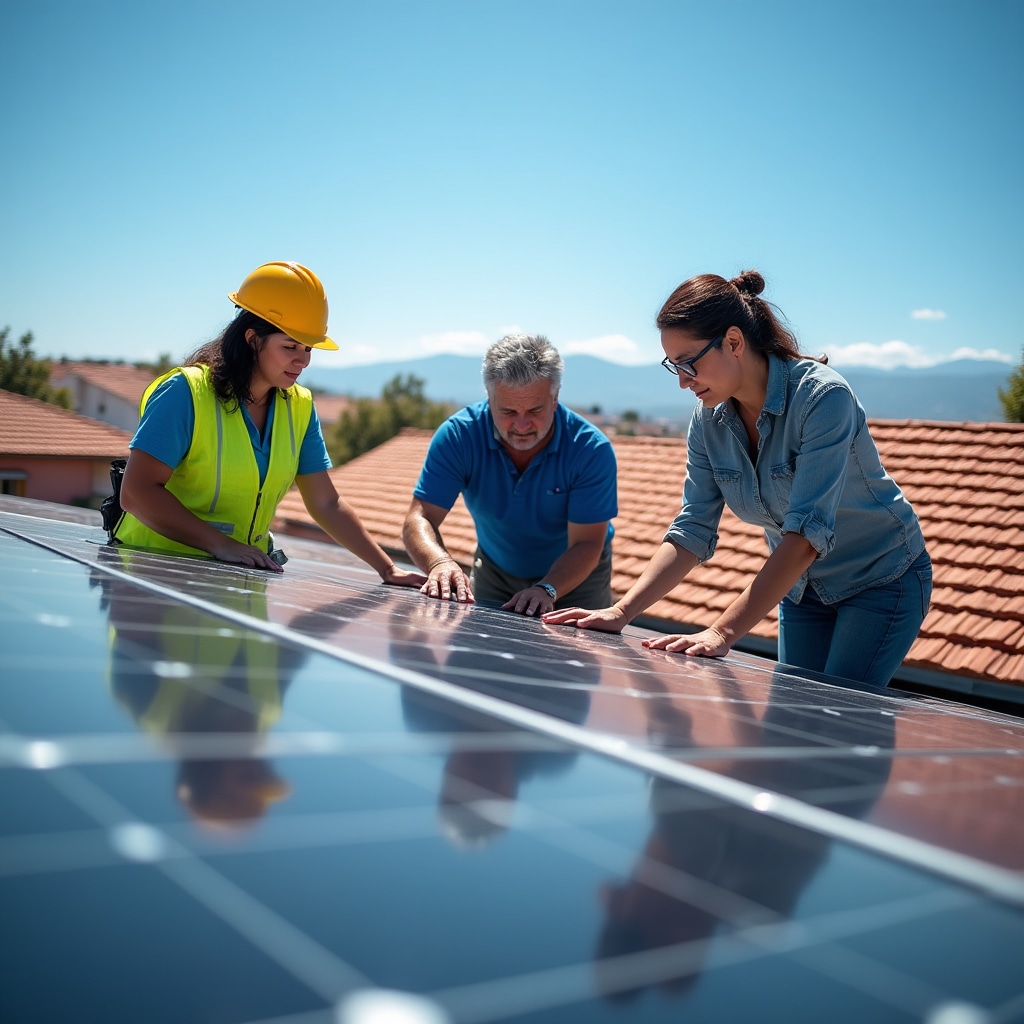
Understanding Provincial Regulations
Argentina's provinces maintain distinct regulatory frameworks for renewable energy and participatory financing. These regulations determine how community energy projects can be structured, financed, and operated.
Key regulatory aspects include:
- Requirements for distributed generation connections
- Rules governing cooperative energy organizations
- Net metering or energy compensation mechanisms
- Permitting processes for community-scale installations
- Consumer protection provisions for energy investments
Our regulatory frameworks section documents these provincial variations to help communities understand their local context.

Key Concepts
Essential Elements of Community Energy Financing
Cooperative Structures
Energy cooperatives allow community members to collectively own and operate renewable installations. Members typically have equal voting rights regardless of investment size.
Distributed Generation
Small-scale renewable energy production located near consumption points. Community projects often utilize distributed generation to serve local needs.
Grid Connection
How community energy systems connect to the electrical grid, including technical requirements and compensation mechanisms for excess generation.
Investment Models
Various approaches for community members to contribute capital, from direct ownership shares to community bonds or crowdfunding platforms.
Power Purchase Agreements
Contracts that define how energy from community projects is sold, either to participants, utilities, or commercial buyers.
Return Mechanisms
How participants receive value from their investment, whether through energy savings, dividend payments, or reduced electricity costs.
Community vs Corporate Energy Development
Understanding the differences between community-led and corporate-developed renewable energy projects helps clarify the role of participatory financing in Argentina's energy landscape.
Community-led projects typically feature local ownership, democratic governance, and benefits that remain within the community. Participants have direct input into project decisions and receive financial or energy-related returns.
Corporate developments are usually owned by energy companies or investors, with centralized decision-making and profits flowing to shareholders. Communities may benefit through jobs or tax revenue but don't have ownership stakes.
Both models contribute to renewable energy growth, but participatory financing specifically enables the community-led approach, allowing residents to be active participants rather than passive consumers in the energy transition.

Explore Our Educational Resources
Learn more about participatory financing for renewable energy in Argentina through our detailed guides and regulatory documentation.
View Regulatory Frameworks